Carpet Cleaning Lehi is a crucial component of maintaining clean, healthy, and comfortable indoor environments. Whether in homes or commercial spaces, carpets accumulate dirt, dust, allergens, and stains over time, which can affect both appearance and indoor air quality. While the goal of carpet cleaning is consistent across property types—to maintain cleanliness and hygiene—the approach, frequency, and benefits differ significantly between residential and commercial settings. Understanding these key differences allows property owners, facility managers, and homeowners to make informed decisions about cleaning strategies and investments.
Residential carpet cleaning primarily focuses on improving comfort, aesthetic appeal, and indoor air quality within a home environment. Carpets in residences often face moderate foot traffic, with additional exposure from pets, children, and household activities. Over time, dust, dirt, food particles, pet hair, and allergens become embedded in carpet fibers, reducing the overall hygiene of the home. Deep cleaning not only removes these contaminants but also refreshes the carpet, eliminates odors, and prolongs its lifespan. Homeowners often schedule professional carpet cleaning services to address high-traffic areas, tackle stubborn stains, or prepare the home for special occasions or seasonal maintenance.
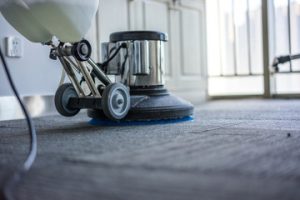
Commercial carpet cleaning, by contrast, addresses a larger scale and higher level of foot traffic. Offices, retail stores, educational facilities, and healthcare centers experience constant movement, which leads to quicker accumulation of dirt, grime, and allergens. Additionally, commercial carpets may face exposure to spills, stains, and environmental debris brought in by employees, customers, or students. As a result, commercial carpet cleaning often requires specialized equipment, industrial-strength cleaning solutions, and more frequent service intervals to maintain a safe and professional environment. Clean carpets in commercial spaces are critical not only for aesthetics but also for workplace safety, indoor air quality, and brand perception.
One of the primary differences between residential and commercial carpet cleaning is the frequency of service. Residential carpets are typically cleaned every six months to two years, depending on household size, lifestyle, and the presence of pets or children. High-traffic areas such as hallways, entryways, and living rooms may require more frequent attention. Commercial properties, on the other hand, often require cleaning on a monthly or quarterly basis, with certain areas receiving even more frequent maintenance. High-traffic zones such as lobbies, conference rooms, and hallways accumulate dirt rapidly and need consistent cleaning to maintain appearance and safety standards.
The methods used for carpet cleaning in residential and commercial settings also differ. Residential cleaning often involves steam cleaning, hot water extraction, or dry cleaning techniques that are safe for smaller carpets and household environments. Professionals focus on stain removal, odor elimination, and fiber preservation, balancing effectiveness with gentleness to avoid damaging carpets. Commercial carpet cleaning typically requires more robust approaches, including industrial-grade hot water extraction, high-capacity rotary brushes, and specialized stain removal solutions. The equipment is designed to handle larger spaces and tougher soil conditions, ensuring that the carpets maintain a professional appearance despite heavy usage.
Health and safety considerations are another key distinction. Residential carpet cleaning improves indoor air quality by removing dust mites, allergens, and pet dander, which is especially beneficial for families with children, elderly individuals, or those with respiratory sensitivities. Cleaner carpets also reduce the risk of mold growth in areas prone to moisture or spills. In commercial environments, maintaining a clean carpet is not only about appearance but also about occupational health. Dirty carpets can harbor allergens, bacteria, and mold, which may negatively impact employees’ productivity and customer perception. Businesses in healthcare, education, or hospitality sectors have an even greater responsibility to maintain hygienic flooring for safety and compliance reasons.
Cost differences between residential and commercial carpet cleaning are significant due to scale, equipment, and frequency. Residential carpet cleaning typically costs less per visit because homes have smaller square footage, fewer carpets, and less intensive soil conditions. Commercial cleaning, however, involves larger areas, extended cleaning time, industrial-strength equipment, and more specialized services, resulting in higher costs. Despite the expense, commercial carpet cleaning is an investment in safety, efficiency, and brand reputation. Businesses that maintain clean carpets create a welcoming environment for customers, boost employee satisfaction, and reduce potential liability related to slips, falls, or unsanitary conditions.
Maintenance practices also vary depending on the property type. In residential spaces, homeowners can extend the life of carpets by vacuuming regularly, promptly treating spills, and implementing area rugs or mats in high-traffic zones. Professional deep cleaning complements these practices by removing embedded dirt and refreshing carpet fibers. In commercial settings, daily vacuuming, spot cleaning, and routine inspections are essential to prevent rapid soil accumulation. Many businesses also implement preventive measures such as entrance mats, shoe-cleaning stations, and designated areas to reduce dirt tracked indoors. Professional carpet cleaning services in commercial spaces are then scheduled strategically, often during off-hours, to minimize disruption to operations.
Environmental considerations are increasingly relevant in both residential and commercial carpet cleaning. Many homeowners and businesses prefer eco-friendly cleaning solutions that minimize chemical use while maintaining effectiveness. Low-toxicity, biodegradable detergents and hot water extraction methods are commonly used in residential cleaning to reduce exposure risks for children and pets. In commercial settings, environmentally conscious cleaning practices may include energy-efficient equipment, minimal water usage, and green-certified cleaning products. These approaches improve indoor air quality, reduce environmental impact, and align with broader sustainability goals.
Carpet cleaning also contributes to the long-term durability of flooring in both property types. In residential homes, regular cleaning prevents fiber deterioration, reduces stain accumulation, and maintains the overall aesthetic appeal. Families who invest in high-quality carpet maintenance enjoy a more comfortable living space and avoid costly replacements. For commercial properties, carpets endure heavier foot traffic and environmental stressors, making consistent cleaning essential for protecting the initial investment. Regular professional cleaning prolongs carpet life, reduces replacement costs, and preserves the professional appearance of the space.
There are additional benefits to professional carpet cleaning beyond hygiene and appearance. In residential homes, cleaner carpets enhance the overall comfort and aesthetic appeal of a space, creating a more inviting environment for family members and guests. In commercial settings, clean carpets contribute to a positive impression on clients, customers, and visitors, which can influence perceptions of professionalism and attention to detail. Businesses that neglect carpet maintenance risk negative reviews, reduced customer satisfaction, and potential health concerns for employees or clients.
Property owners in both residential and commercial contexts should consider the advantages of combining routine cleaning with professional services. Homeowners may benefit from annual or semiannual deep cleaning in addition to regular vacuuming, while commercial facilities may implement monthly maintenance programs alongside periodic deep cleaning. This combination ensures that carpets remain clean, hygienic, and visually appealing, while also extending their useful life and minimizing health risks. A well-maintained carpet system reflects positively on both residents and facility managers, signaling care and attention to quality.
The choice between residential and commercial carpet cleaning services ultimately depends on property needs, scale, and usage patterns. Residential cleaning emphasizes comfort, appearance, and health within a smaller-scale environment. Commercial cleaning focuses on durability, hygiene, safety, and brand image across larger spaces with high foot traffic. Despite these differences, both approaches share the common goal of maintaining a clean, safe, and visually appealing environment that promotes well-being and reduces long-term costs.
Scheduling carpet cleaning at appropriate intervals is critical in maximizing benefits. Homeowners should assess traffic patterns, presence of pets or children, and specific areas prone to staining to determine cleaning frequency. Commercial facility managers should evaluate employee density, operational hours, and regulatory or industry standards to establish effective maintenance schedules. By understanding the specific requirements of each environment, property owners can create customized cleaning plans that maintain carpet quality, promote safety, and support long-term investment goals.
In conclusion, residential and commercial carpet cleaning differ significantly in scale, frequency, techniques, and overall objectives. Residential services focus on home comfort, health, and aesthetics, while commercial services emphasize hygiene, safety, durability, and professional appearance. Both benefit from professional expertise, specialized equipment, and systematic cleaning approaches. By understanding these differences and implementing regular maintenance, property owners can ensure that carpets remain clean, functional, and attractive, while reducing health risks, minimizing long-term costs, and enhancing the overall environment for occupants, visitors, or clients.